Bump-Out vs Full Home Extension: Which One Fits Your Budget?
Owners choose between a bump-out and a full home extension for one simple reason: the bump-out adds space without moving the main house, while a full extension rebuilds part of the structure. Both are valid answers to the same need, and both can be the right choice. The trick is knowing which one your budget, plot and lifestyle actually support.
The line between the two is blurrier than the marketing language suggests. A bump-out that moves a load-bearing wall is really a small full extension. A full extension that keeps the existing footprint is really a very large bump-out. Definitions matter because permits, costs and structural detail all change.
What a bump-out actually is
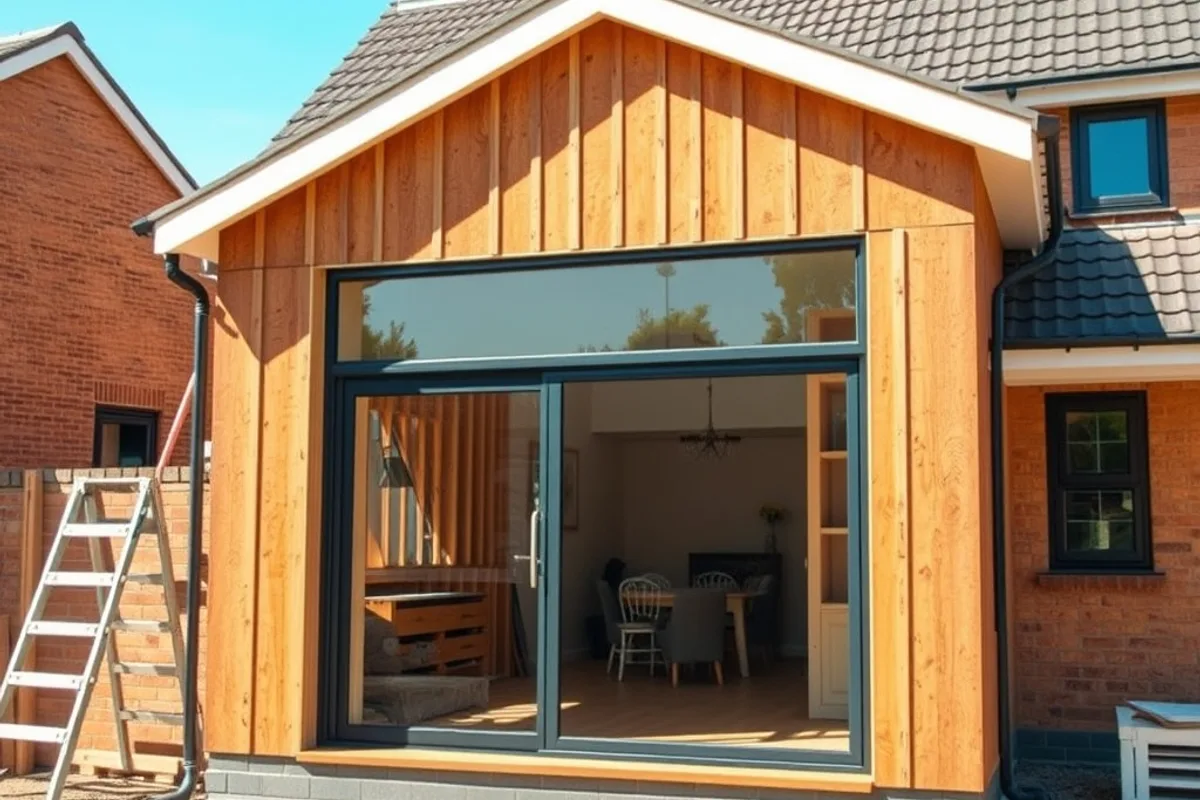
A bump-out projects new construction against an existing wall, usually a rear or side elevation, and keeps the original structure in place. It can be as small as a 3 by 3 metre scullery or as large as a 6 by 6 metre bedroom wing. The existing roof may be kept or extended, and the new build is structurally tied to the main house.
Bump-outs win on speed and cost. They reuse the existing slab or foundation line where possible, need fewer structural drawings, and often avoid full re-hanging of services. They also suit narrow plots where a full extension would not fit.
What a full extension involves
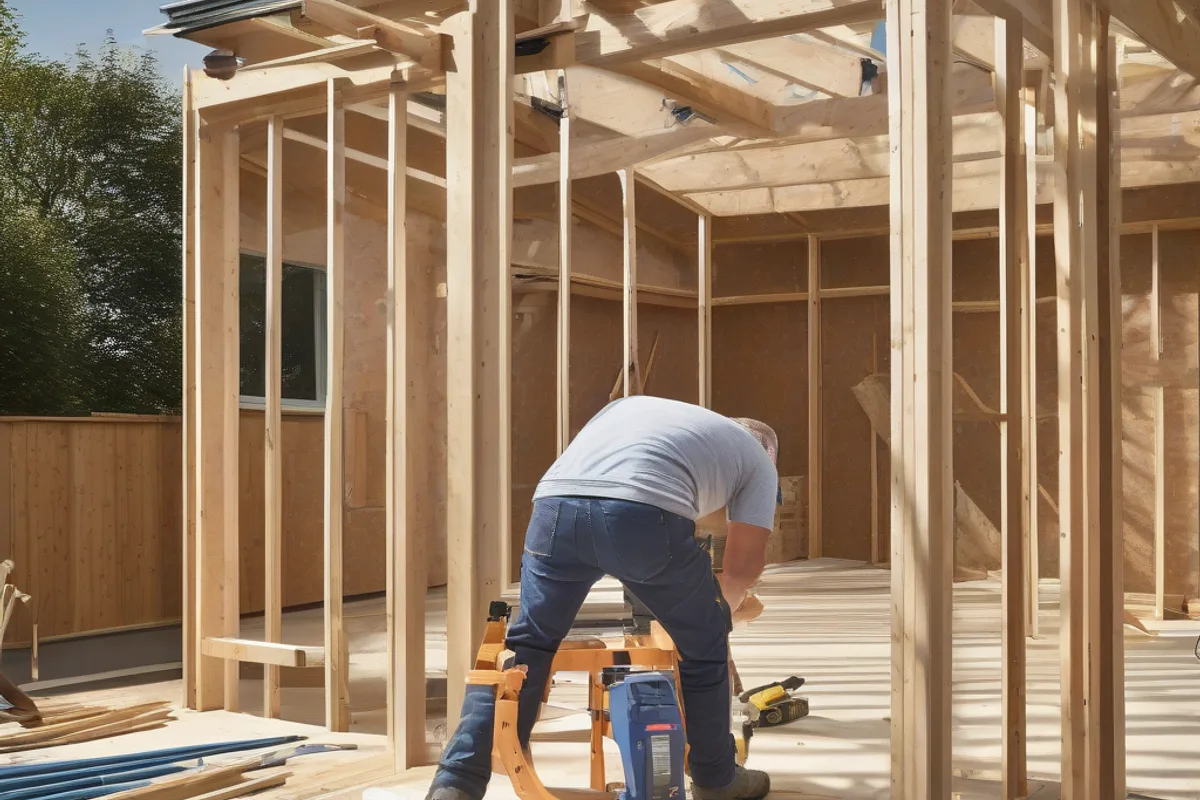
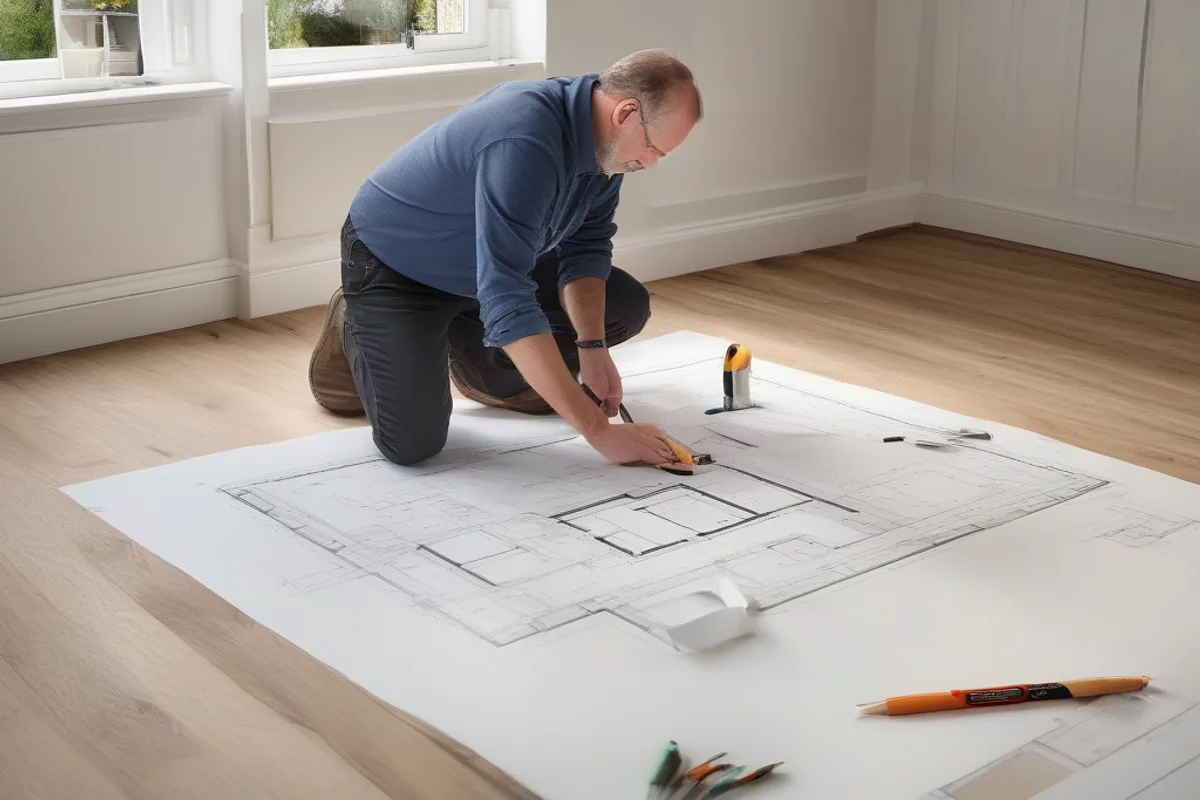
A full extension rebuilds a defined volume of the home, which means new foundations, new framing, new services and usually a new roof section. It is closer to building a small house than adding a room, and the cost reflects that.
The advantage is flexibility: the new volume can be planned from scratch, optimised for light, ventilation and layout rather than adapted to an existing frame. For deep renovations where the existing structure is tired, a full extension is often the cleaner solution.
Cost comparison in real numbers
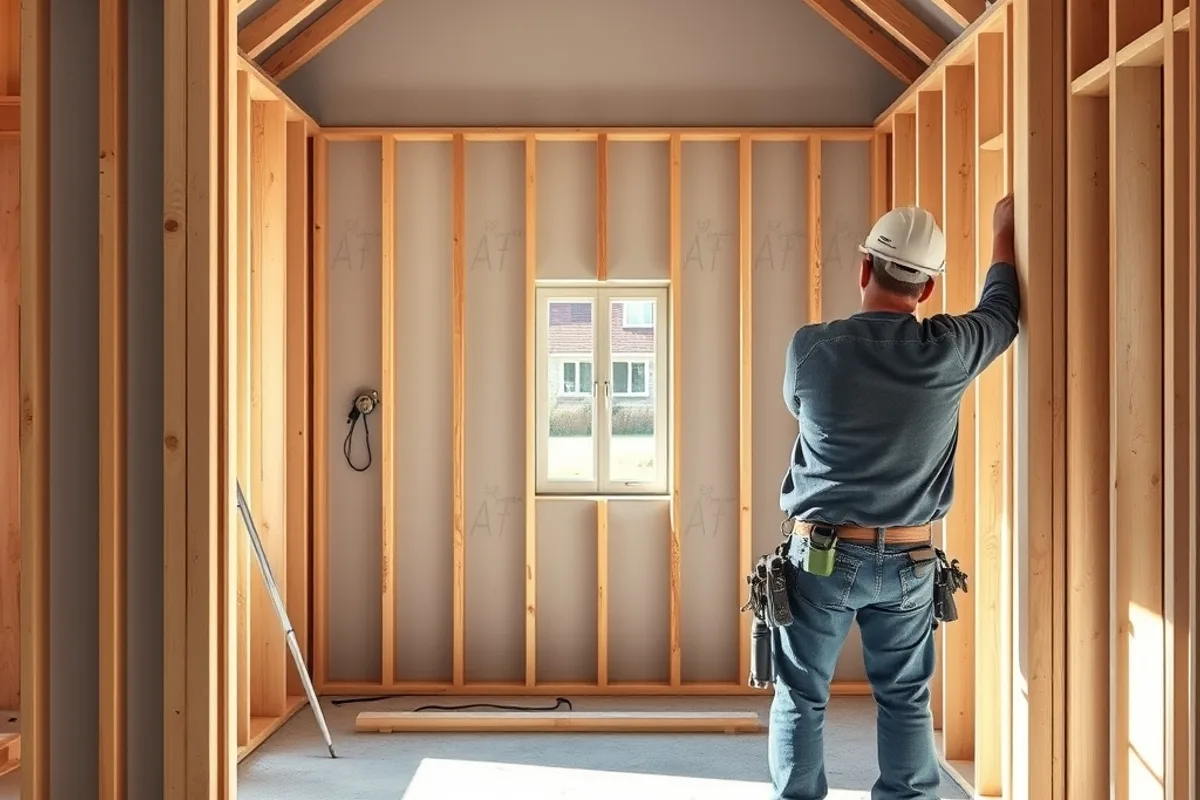
For the same added square metres, a full extension typically costs two to three times more than a bump-out, because of structural, demolition and reworks. The gap is not an accident: it is structural work that the bump-out model avoids.
Owners on a hard budget should still consider a bump-out even when the long-term plan is a full extension. Build the bump-out now, finance the full extension later, and let the second project inform the first.
Which one fits your project
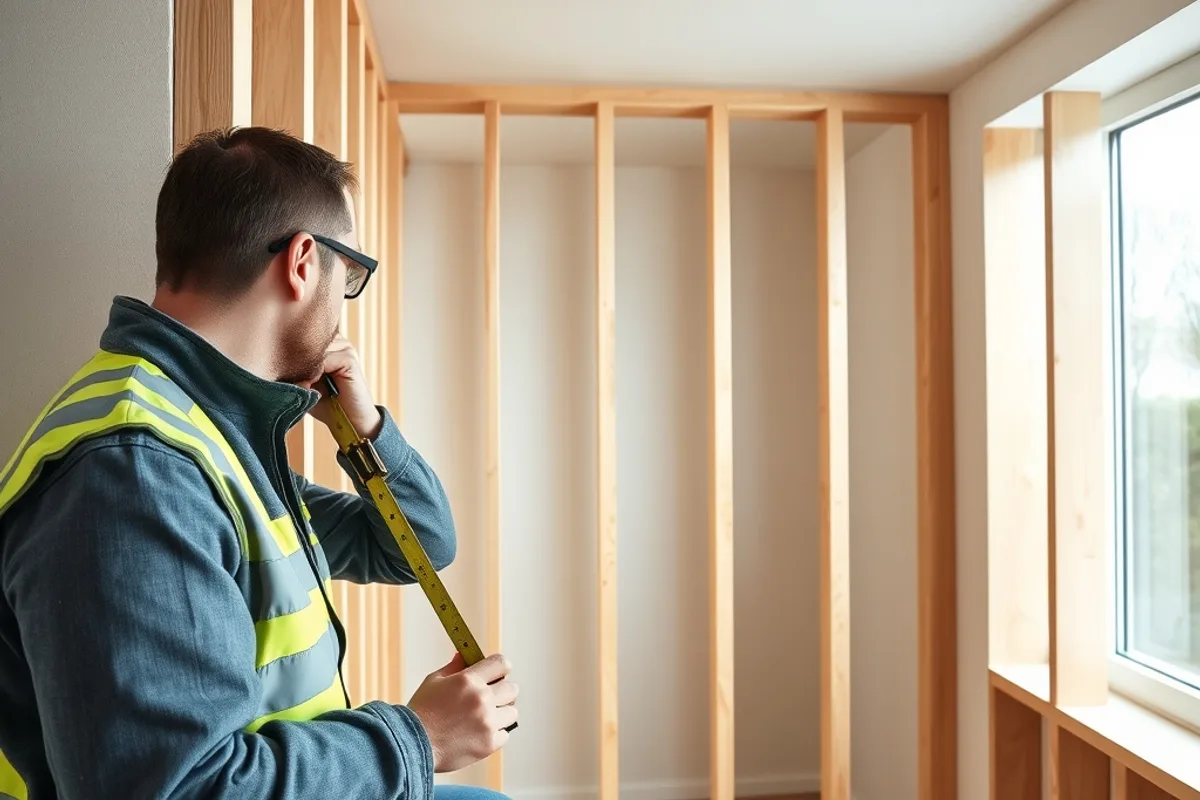
Choose a bump-out when the plot allows, the existing structure is sound and the added space is small to medium. Choose a full extension when the plot needs new footprint, the existing rooms are underused or the structural bones are tired.
Whatever you choose, run the numbers on permits, access and site logistics before committing. Both paths demand the same planning discipline, and both can end in a beautiful room or an expensive lesson.
The decision in one line
The cheapest extension is the one that solves the problem without pretending the main house needs rebuilding. The best extension is the one that solves the problem properly. Start with the problem, then let the bump-out-versus-full decision follow from the answer.
For official guidance, see International Code Council guidance.
A bump-out adds the square metres; a full extension adds the square metres and the certainty.Masonpou Editorial
We cross-check our advice against independent, official sources. For building safety see the National Fire Protection Association, and for energy and material guidance see the Energy Star.