How to Prepare Your Home Before Selling and What It Adds to the Price

Most homes are sold in the condition they were in when the owners stopped living in them. Buyers then inherit the compromise: tired kitchens, cluttered garages, faded paint and storage chaos. Preparation before a sale is not about luxury staging. It is about removing the friction that makes buyers start at a lower number.
The honest truth is that cosmetic prep adds perceived value faster than structural work, because buyers can feel the difference between a home that feels loved and one that feels deferred. Deep cleaning, decluttering, fresh paint in key rooms and professional photography are the highest return activities for most sellers.
What buyers actually pay for
Buyers price a home on the gap between their must-haves and the condition on show. Staged bedrooms, cleared living rooms and clean outdoor spaces close that gap. Studies of staged sales consistently show higher offers, shorter time on market and better outcomes for expensive homes.
Prep work also shifts the conversation. A seller who has done the prep can negotiate from a stronger position, and buyers who love the home are less likely to lowball into a bidding contest.
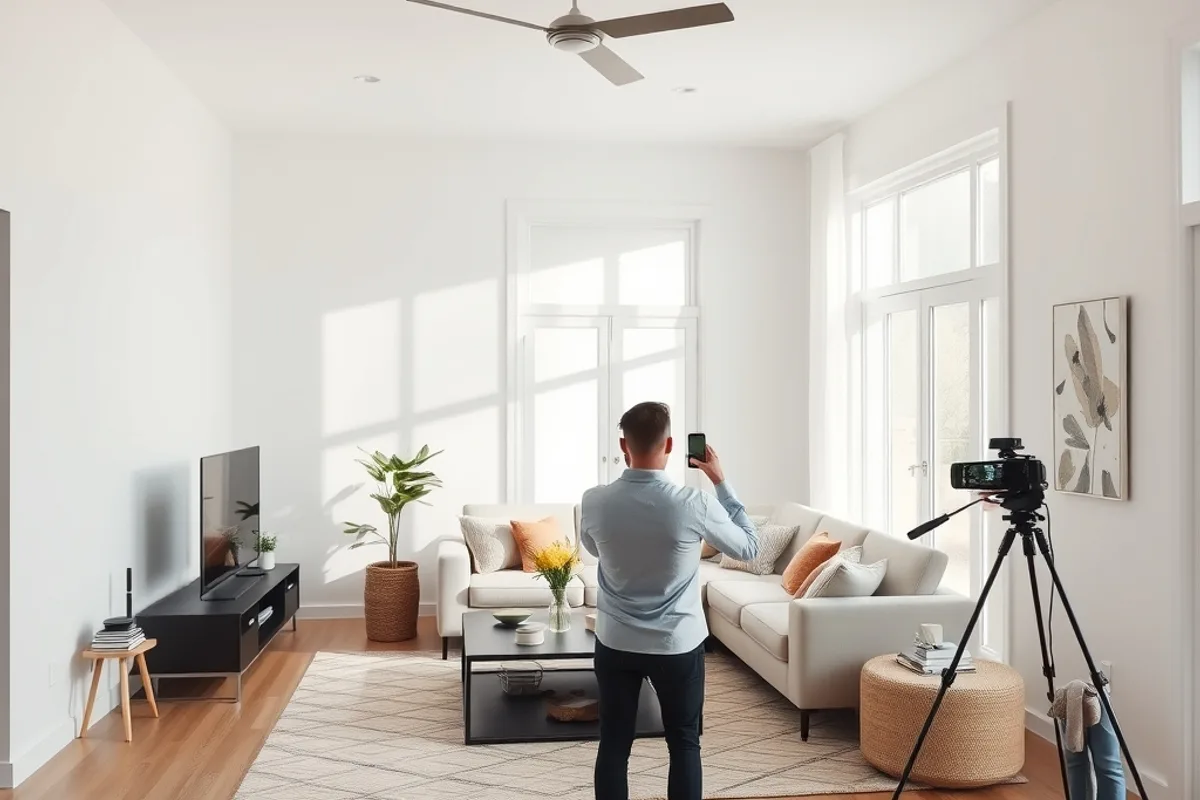
The prep budget that pays back
A realistic prep budget runs from one to three percent of the expected sale price, and it pays back through faster sales, higher offers and fewer contingencies. Sellers who skip it often leave six figures on the table without noticing.
The highest value moves are usually the cheapest: cleaning, decluttering, lighting, fresh paint and storage solutions. Structural work can add value too, but only when the market segment justifies it, and it is rarely the first move.
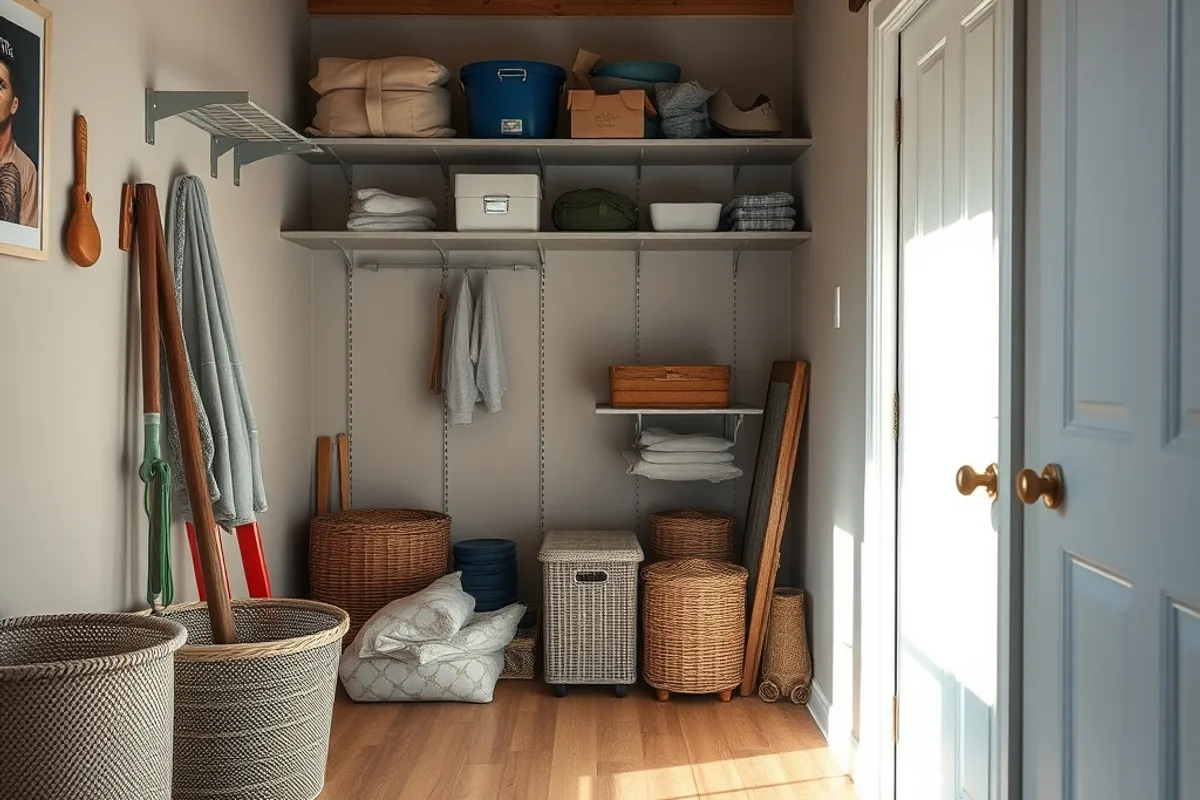
When prep is enough and when to renovate
Prep is enough when the home is sound, the layout is acceptable and the issues are cosmetic. Renovation is worth it when the layout or structure is wrong, or when the buyer pool is clearly willing to pay for upgraded space.
Before you renovate pre-sale, get a rough valuation of the finished result. An extra bedroom can be worth more than the kitchen reno that creates it, and the order of operations matters.
The six-to-twelve-week prep window
Start prep six to twelve weeks before listing. Deep cleaning takes the bulk of the early weeks, decluttering follows, and painting or staging happens closer to photography. This sequencing keeps the house sale-ready without burning the owner out.
Keep the home empty or lightly staged for photography. Buyers pay a premium for light, and light is a prep decision you can control.
The final polish
The last week before photography should be about surfaces: windows, floors, countertops, bathrooms, outdoor seating. Small details read as big value in listing photos, and they cost very little.
After the sale closes, the prep you did is not wasted. It transferred into the higher offer, the faster sale or the waived contingencies that made the difference. Preparation before sale is the cheapest value-add in real estate.
For official guidance, see Energy Star home improvement guidance.
You do not need to renovate to add value; you need to subtract the reasons buyers find to negotiate.Masonpou Editorial
We cross-check our advice against independent, official sources. For building safety see the National Fire Protection Association, and for energy and material guidance see the Energy Star.