Home Valuation in 2026: What Appraisers, Agents and Lenders Really Use

Every home has a number attached to it, whether the owner knows it or not. That number comes from a mix of hard measurement, subjective condition and market comparison. In 2026, understanding how home valuation works helps owners prepare, sellers price better and buyers avoid overpaying.
The three pillars of almost every valuation are the same: the physical characteristics of the property, the condition of those characteristics, and the comparable sales of similar homes nearby. Get those three right and the number becomes much less mysterious.
What appraisers actually measure
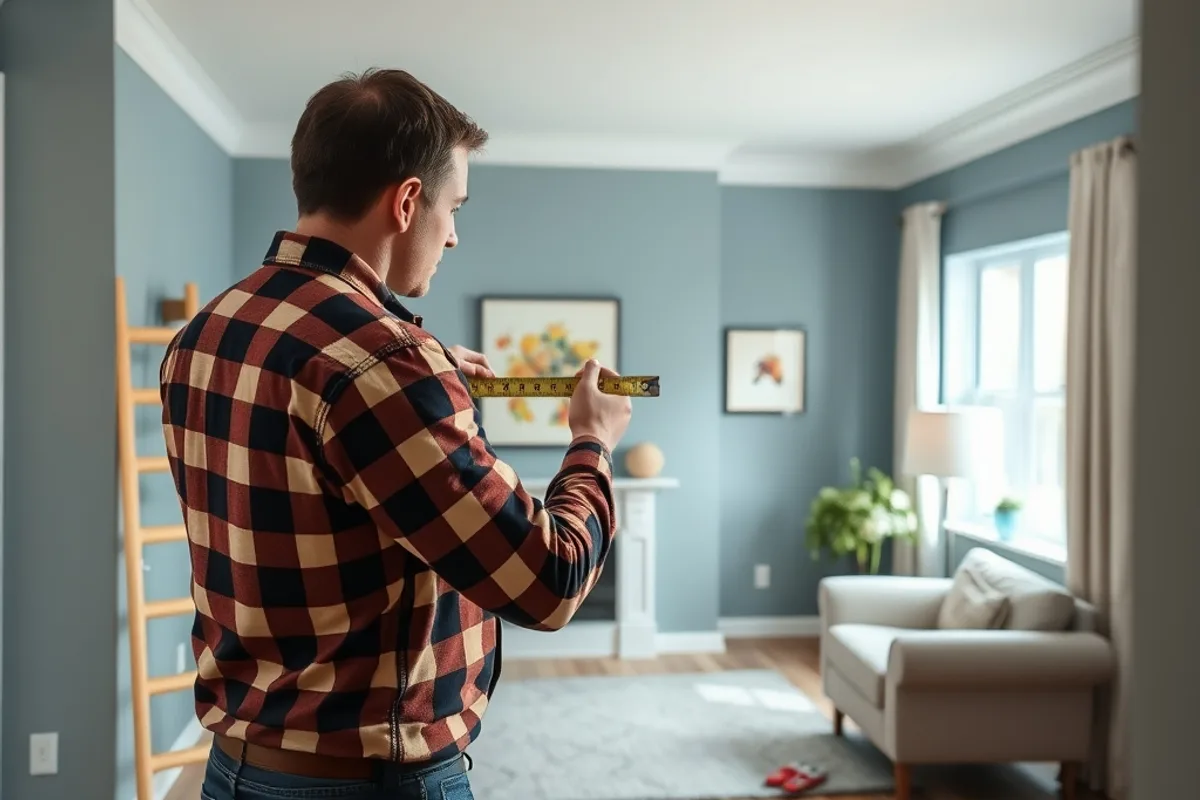
An appraisal is a full inspection of the property, usually ordered by a lender before a loan moves forward. Appraisers assess location, square footage, condition, upgrades and any physical constraints. The output is a formal report that supports the lending decision.
For owners, the useful lesson is that condition is a first-class input. Two homes with the same square footage can differ by a very large margin in value based on roof age, kitchen quality and maintenance history.

What agents use before a listing
Before a listing goes live, agents build an estimate from comparable sales, pending sales and off-market interest. That estimate is refreshed as showings happen. The difference between an agent estimate and a formal appraisal is usually the condition gap, which is why prep work moves numbers.
Owners who prepare the home before listing give their agent a stronger baseline and, often, a higher final number.
What lenders care about
Lenders use valuations to set loan to value and to confirm the property can support the loan. An appraisal below the purchase price can trigger loan adjustments, additional reserves or a failed approval. Appraisers are trained on recent comparable sales and national standards, and the local market still dominates.
Knowing the likely valuation before you list, finance or buy removes a lot of the anxiety from the process. It also tells you which improvements actually pay back.
Reading a valuation report
A good valuation report separates the appraised value from the market opinion of value. The distinction matters when owners compare an appraisal to an agent estimate or a family-offer number.
For owners planning to sell, the practical sequence is: get a pre-listing valuation, prep the home if the gap is large, then price and list. For buyers, the sequence is: confirm the valuation supports your offer before you commit.
The bottom line on value
Home valuation is part measurement, part market science, and part judgement. The more standardised the data, the more the judgement shows through, which is why two honest appraisers can still arrive at different numbers in the same market.
Owners who understand the drivers of value make better decisions about what to fix, what to stage and what to leave alone. That understanding is the real value of a good guide.

For official guidance, see Energy Star home improvement guidance.
A valuation is a snapshot of comparables, condition and market opinion, not a measurement of your dreams.Masonpou Editorial
We cross-check our advice against independent, official sources. For building safety see the National Fire Protection Association, and for energy and material guidance see the Energy Star.