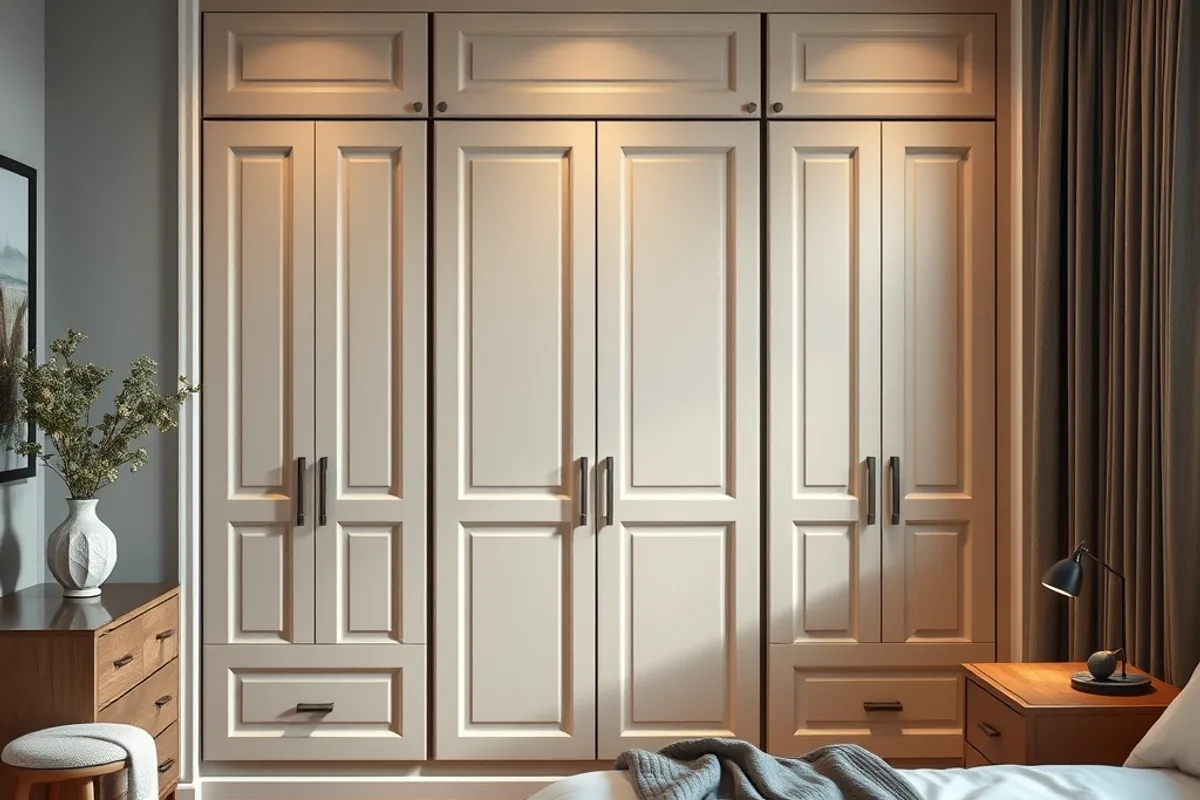
How Custom Furniture Makers Turn Client Drawings into Real Pieces
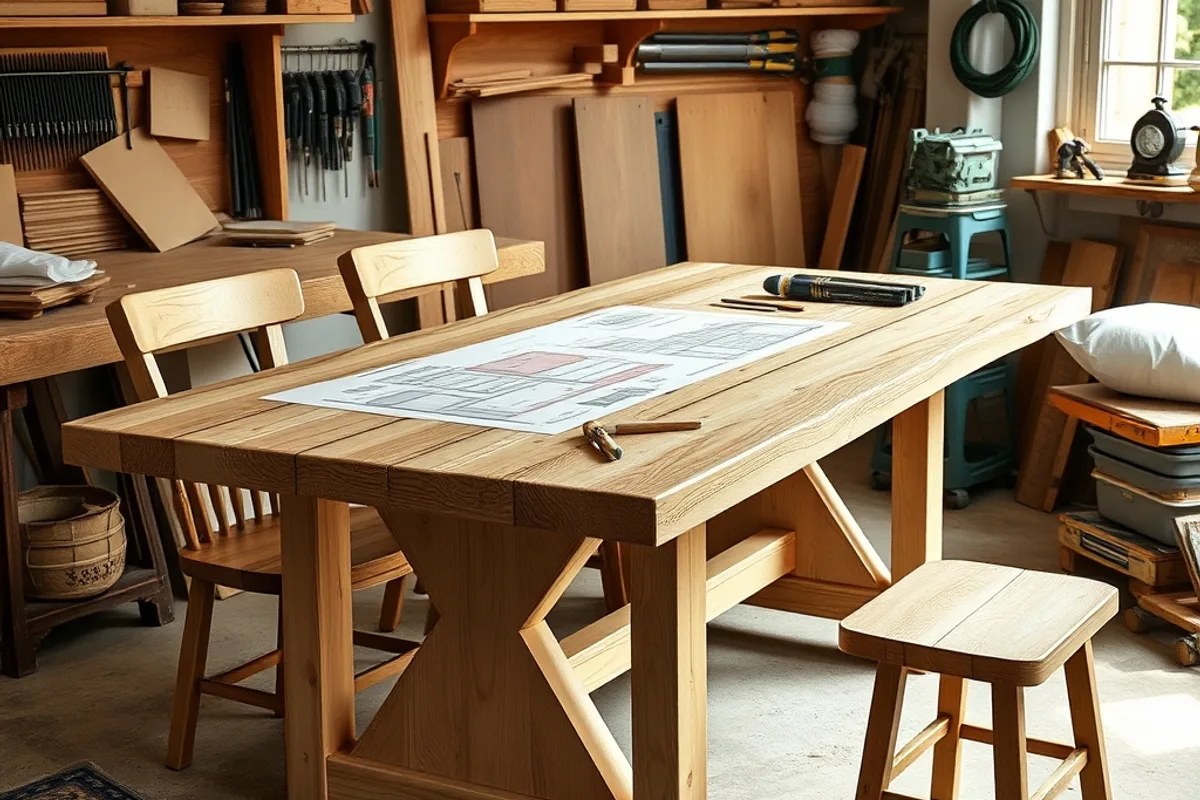
Custom furniture is a process wearing a craft costume. The beautiful pieces you see in homes are the end of a long chain: a brief, drawings, material selection, joinery, assembly and finish. Understanding that chain helps clients commission well and makers deliver well.
In 2026 the best custom furniture practice still follows the old rhythm. Clients bring a vision, measurements and constraints; makers turn that into full-size drawings; the client reviews and refines; the build proceeds.
The client brief
A good brief covers the function, the space, the materials and the budget. Owners underestimate how much the brief matters, and makers underestimate how much a vague brief costs. The fix is a structured discovery session before any drafting.
Constraints are not the enemy of creativity; they are the material of good design. Storage needs, door openings, floor loading and fire ratings all shape what is possible.

From drawings to build
Drawings go through concept, resolved and build drawings. Each stage is a chance to catch design errors before cutting, and each stage costs real money. The maker's discipline here is what separates custom furniture from bespoke decoration.
Owners should expect feedback loops at defined stages rather than open-ended revision. That keeps the process predictable and the budget honest.
The maker's craft
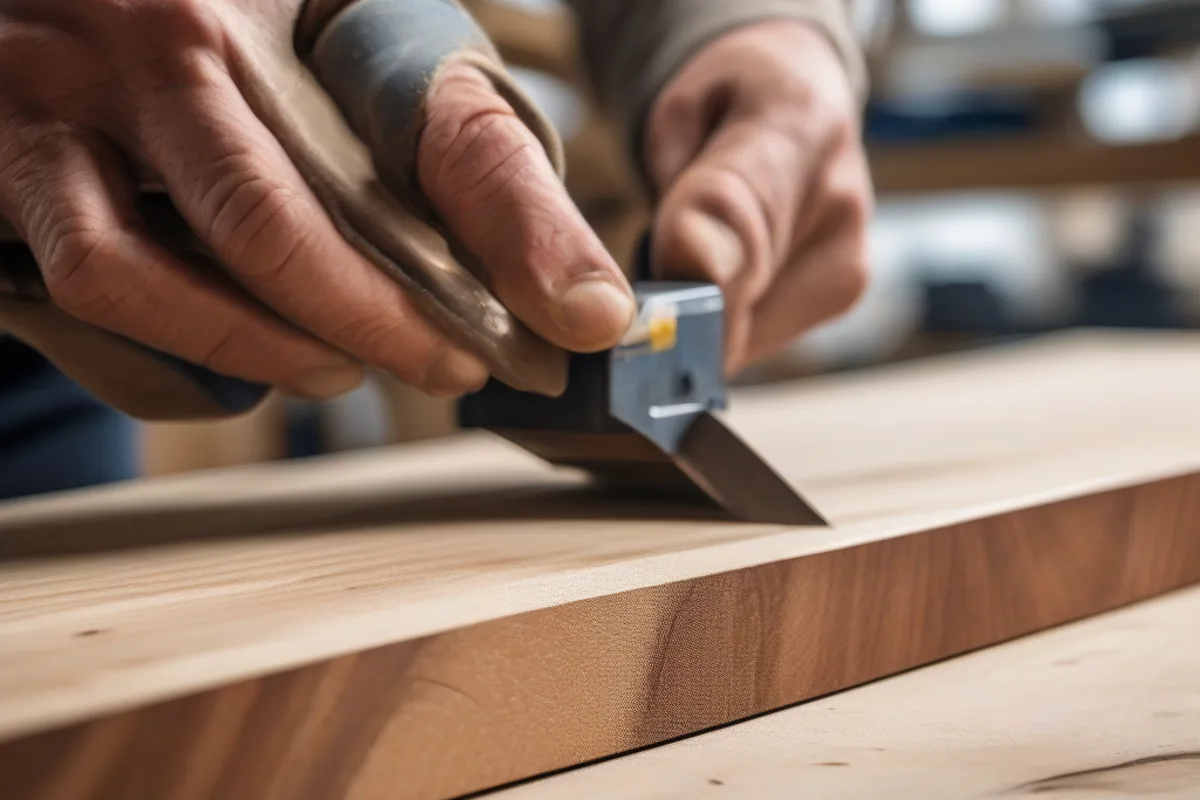
Joinery is where design becomes furniture. Drawer slides, table legs, bed frames and cabinet carcasses all depend on tolerances that flat-pack systems simply do not face. The maker's workshop capability is therefore a genuine design input.
Finish selection, whether oil, lacquer or paint, is also a structural choice because it affects both appearance and durability of the piece.
Commissioning advice
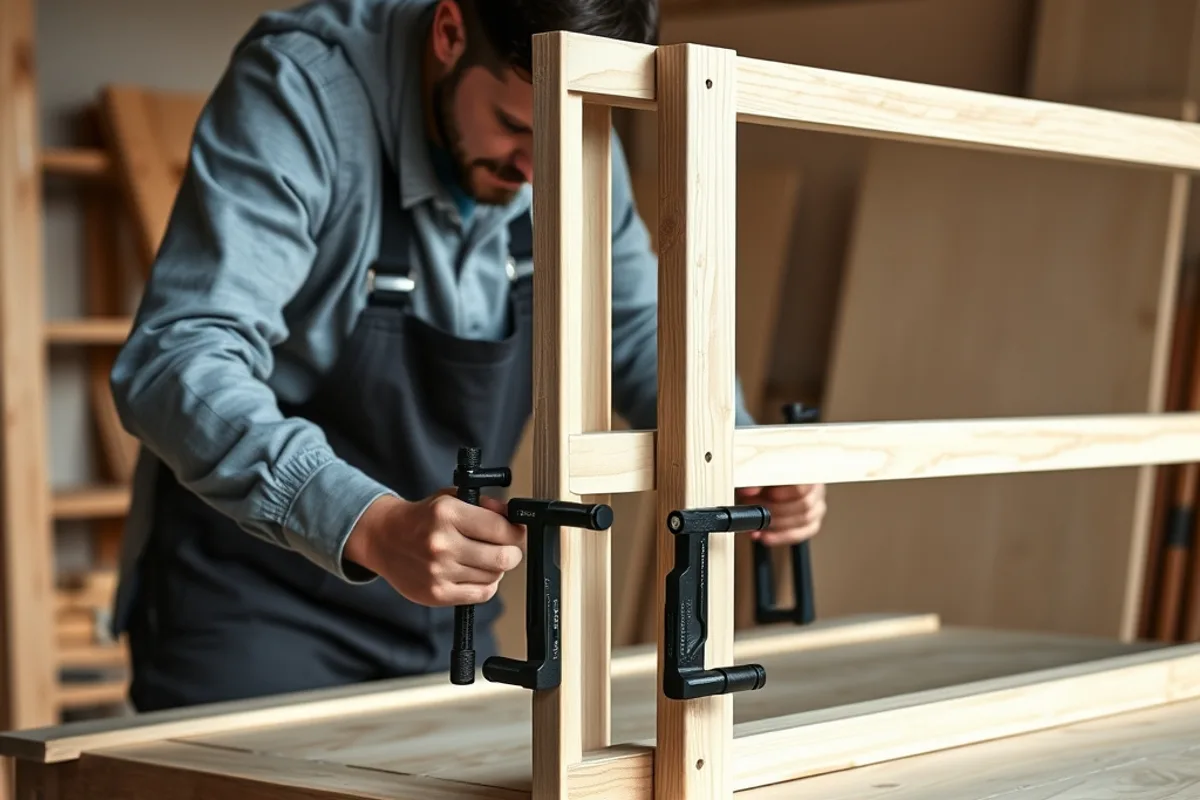
Before commissioning, define success criteria: what the piece must hold, what it must look like, and what happens when the client moves the room. The last one is more common than owners expect, and it is where custom furniture often gets into trouble.
Owners who commission custom furniture should expect lead times measured in months, budgets measured from design, and decisions made at defined milestones rather than constantly.
The final piece
Custom furniture is not cheaper per piece than good mass-market furniture; it is different per piece, and it pays back in durability, fit and the absence of compromise. The makers who do it best are the ones who treat the drawings as the real first product.
How clients should prepare for a custom build
Before commissioning, clients should write a clear brief with function, dimensions and inspiration, then resist the urge to over-specify. The best custom furniture starts from a focused brief and lets the maker propose the details. Clients who arrive with a finished design usually pay for design they could have avoided, and they often get furniture that no longer fits their space.
For official guidance, see Energy Star home improvement guidance.
Custom furniture is a series of decisions made visible, one drawing at a time.Masonpou Editorial
We cross-check our advice against independent, official sources. For building safety see the National Fire Protection Association, and for energy and material guidance see the Energy Star.