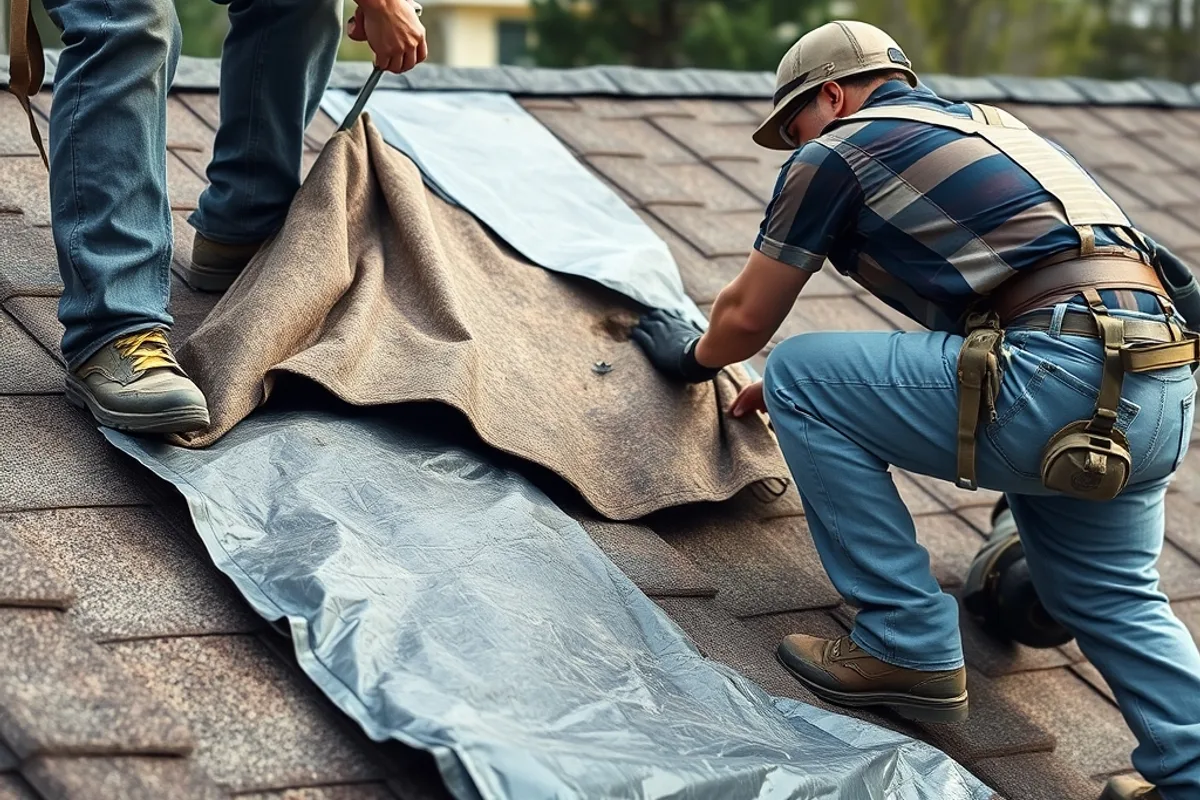
How to Inspect and Prevent Roof Damage Before Leaks Spread

Roof leaks rarely announce themselves dramatically. They start at flashing details, valleys, penetrations and worn shingles, then travel along rafters until the first stain appears on a ceiling. Prevention is mostly inspection discipline, and inspection is mostly cheap.
Twice a year is the minimum for any home: once in spring before the storm season and once in autumn before heavy rain and leaf fall. A five-minute walk and a visual check of the decking catches most problems before water does.
What to inspect
Check the roof surface for missing, cracked or lifted shingles, inspect flashing at walls, chimneys and valleys, and walk the gutters and downspouts for blockage. Look for daylight through the ceiling, staining on interior walls and musty odours near the roofline.
After severe weather, a full inspection is not optional. Storms produce the kind of damage that is cheap to fix and expensive to ignore.
Early signs of damage
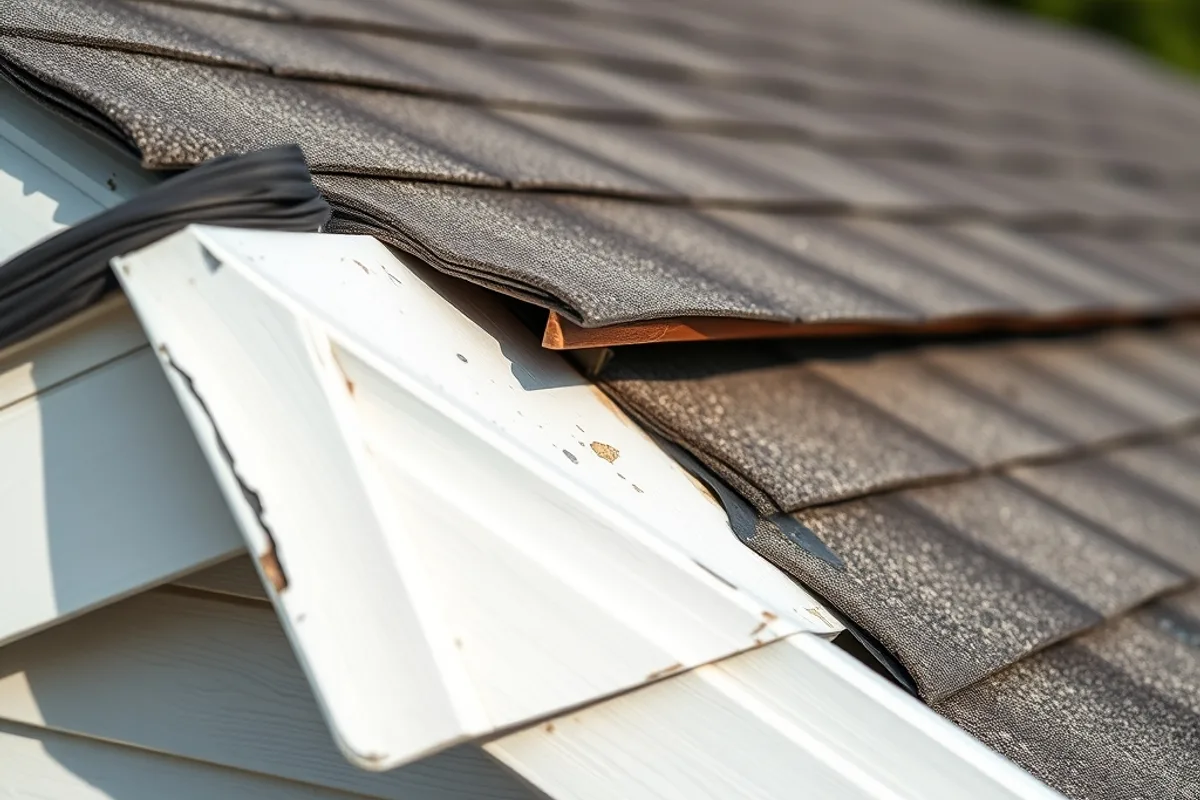
The earliest signals are indirect: interior stains that correlate with roof age, new odours, sagging felt or a granule loss visible from the gutters. None of these should be photographed and filed mentally; all of them should trigger a closer look.
Small issues at penetrations and flashing are the most common failure points, and they are also the most cheaply fixed. Seal, patch or replace before the next heavy rain.

Prevention systems that matter
Proper ventilation is the single biggest preventable cause of premature roof failure. Balanced intake and exhaust ventilation keeps the deck dry, which keeps shingles and membranes performing.
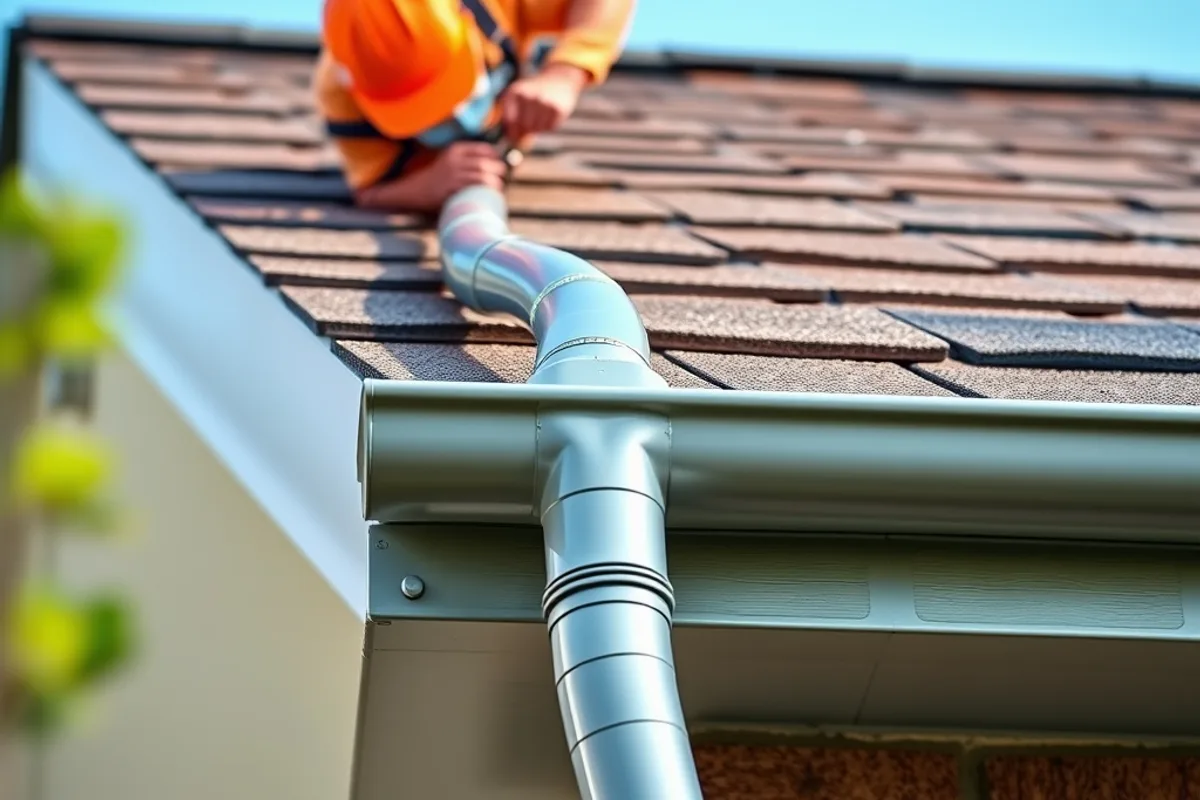
Gutter management comes next: clean gutters before the season, keep downspouts extended to discharge points away from the foundation, and trim trees that rub the deck.
When to call a professional
Call a qualified roofer for any suspected active leak, for insurance-grade damage and for replacement decisions. DIY inspection is fine for visual checks; it is not fine for moisture detection or structural judgement.
Keep a written log of inspections, repairs and warranties. A home with a documented roof history is easier to insure and easier to sell.
Seasonal checks that prevent claims
Most roof insurance claims are preceded by neglect of basic seasonal maintenance. Clean gutters before the rainy season, trim overhanging branches, and reseal any penetrated flashings. These are small tasks with outsized impact, and they are far cheaper than the repairs they prevent.
When the roof is young, inspections should focus on installation quality rather than wear. A roof installed correctly should need little more than gutter cleaning for years. When it is older, shift the emphasis to membrane and flashing condition.
Document every repair with before-and-after notes and photos. Insurers respond better to roofs with a maintenance record, and the documentation also helps future owners understand what was done.

For official guidance, see National Fire Protection Association guidance.
A roof you inspect twice a year is a roof you can repair for the price of a coffee; a roof you ignore is a claim.Masonpou Editorial
We cross-check our advice against independent, official sources. For building safety see the National Fire Protection Association, and for energy and material guidance see the Energy Star.